149
149
Why travel?
31 July 2026, Friday |
 149
149


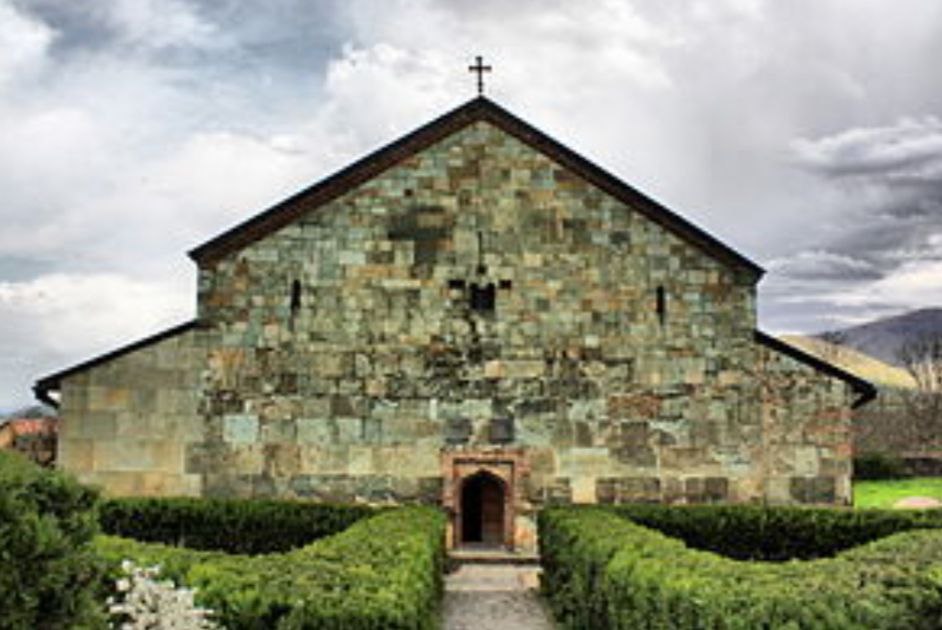
Georgian art, starting from the 4th-5th centuries and ending with the 18th-19th centuries, has gone through a long and difficult path of development, which is organically connected with the development of the Georgian people and the formation of Georgian statehood. Like any living art, Georgian art was also closely connected with the art of neighboring countries of Central Asia and the Mediterranean basin. These connections enriched Georgian art, which, in turn, made a significant contribution to medieval world art. On the one hand, the genetic connection with the art of the pre-feudal era is undeniable, on the other hand, the scope is expanding, the content is deepening and enriching. Especially in the Middle Ages, the unique national characteristics of Georgian art clearly manifested themselves. Georgian monumental architecture developed in the Middle Ages, which was associated with the development of statehood and the spread of Christianity and temple construction. In the 5th-6th centuries, a common type of Georgian temple was the basilica. A number of early Georgian basilicas of Anchiskhati, Tsgarostavi, and Urbinia are known. Bolnisi Zion, whose construction began in 478 and was completed in 493, is the most popular. This is the oldest and best preserved basilica.
708


0033, Kievyan 17, Yerevan, Armenia
+374(93)448789, +374(43)448789
info@utours.am


UTours © 2026 All Rights Reserved
Sign in to your personal account
Referral login
Register