



 340
340
Why travel?
31 July 2026, Friday |
 340
340
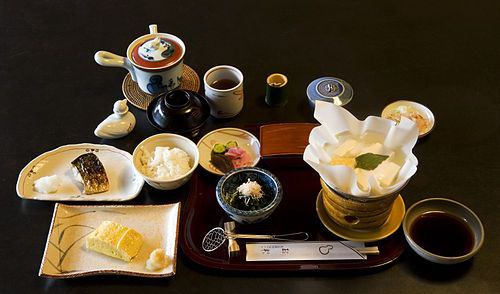
Japanese cuisine is considered the cuisine of longevity. Japanese cuisine is recognized worldwide as the standard of healthy eating. Geography is one of the reasons for Japan's centuries-old isolation from the world, which manifests itself in almost everything, and also manifests itself in the uniqueness of Japanese cuisine. Uniqueness is manifested not so much in the ingredients as in the method of preparation and serving, developed over centuries. But the uniqueness and distinctive feature of Japanese cuisine is great attention to every detail. Nuances and shades, protocol and rules are important in it. Japanese chefs cook only from fresh ingredients, so each dish becomes a part of nature, that is, in the idea of the constant change of seasons.
Probably, no other cuisine in the world pays as much attention to serving and hospitality as Japanese cuisine. Traditional tableware, varied in size, shape and type, is a combination of beauty and minimalism. The same can be said about decorating food, such as sushi and sashimi, decorating it with flowers, plants, leaves. So each dish becomes a masterpiece.
The Japanese table is characterized by the change of seasons.
Products after cooking should retain their natural taste and aroma, and many spices only enhance and intensify the taste. Among the main seasonings prepared using traditional technologies are soy sauce and miso. They come in three main forms and differ only in taste and smell.
Japanese cuisine is characterized by the preservation of real flavors, such as the aromas of fish, vegetables, fruits, beans, seafood and tofu.
The main ingredient of Japanese cuisine, which is the basis of almost all dishes, is rice. Interestingly, even the word "food" (gohan) literally means "cooked rice" in Japanese. In rural areas, rice is still eaten three times a day, as well as fish, a bowl of miso soup and pickled foods. Even 150 years ago, the Japanese were afraid to eat meat, but modern Japanese cuisine is still largely based on seafood and other protein-rich foods such as legumes and soy products, tofu, yuba (foam from soy milk), natto (vegetable dish), soy sauce and miso soup. Fresh ingredients also play a big role in Japanese cuisine: vegetables and mushrooms, seafood, the variety of these types depends on the season. In addition, each region of Japan has its own unique local dishes, which can also be tried in Japan.
1491

Sign in to your personal account
Referral login
Register