

 335
335
Why travel?
31 July 2026, Friday |
 335
335
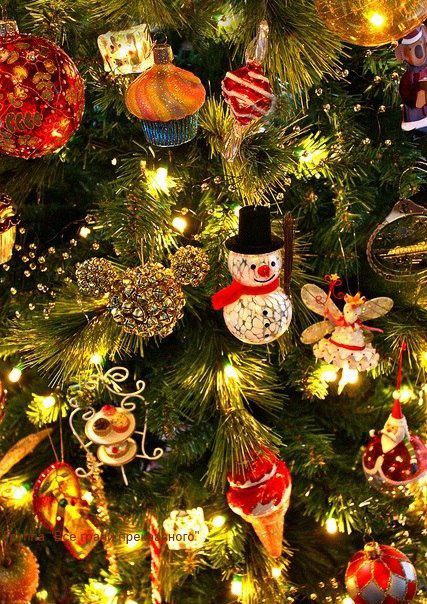
The ancient Armenians celebrated the New Year in the first month of the year, August, and called it Navasard.
The New Year was in Armenian theology the personification of the New Year, considered "the most fruitful of new fruits."
The ancient Persians celebrated the New Year after the vernal equinox, on March 21 or 22; the holiday was called "Rose and Wine Day."
The Muslim New Year is called "Navruz" ("New Day") and is celebrated with great pomp in Iran and other Muslim countries.
In ancient times, the Russians celebrated the New Year on September 1, the British on March 26, and in France it coincided with Easter.
The Italians say that if you have not prepared gifts for your friends for the New Year, you should give them water and an olive branch.
In Ecuador, dolls are lit at midnight to the "cries of widows." Usually widows are played by men wearing women's dresses and disguises.
To get rid of all the sad events that happened in the old year, Ecuadorians throw a glass of water out the window, believing that in this way all the bad events will dissipate and remain in the previous year.
The British put turkey and fried potatoes, Brussels sprouts, meat pie, pudding, sweets and fruits on the Christmas table.
In Scotland, New Year is called "Hogmanay". The holiday is celebrated by singing a song by Scotsman Robert Burns.
Traditionally, Scots burn barrels on New Year's Eve, thereby burning the old year and making room for the new year.
In Vietnam, bouquets are an obligatory attribute of the festive table. At dusk, bonfires are lit on the streets and in the gardens of Vietnam and families gather.
On New Year's Eve in Vietnam, everyone forgives each other, forgets all quarrels. The Vietnamese believe that everyone lives in God, who goes to heaven on New Year's Eve and tells how he spent the previous year.
It turns out that in Nepal, the New Year is celebrated at dawn. Before that, the Nepalese light a big fire at night and throw old, unnecessary things into it.
In Nepal, the day after the New Year, the "Festival of Colors" begins. People draw different patterns on their bodies and start dancing and singing in the streets.
In Cuba, the New Year is called the "Day of the Kings." They have three Santa Clauses at once: Baltasar, Gaspar, and Melchor.
2229

Sign in to your personal account
Referral login
Register