

 355
355
Why travel?
31 July 2026, Friday |
 355
355
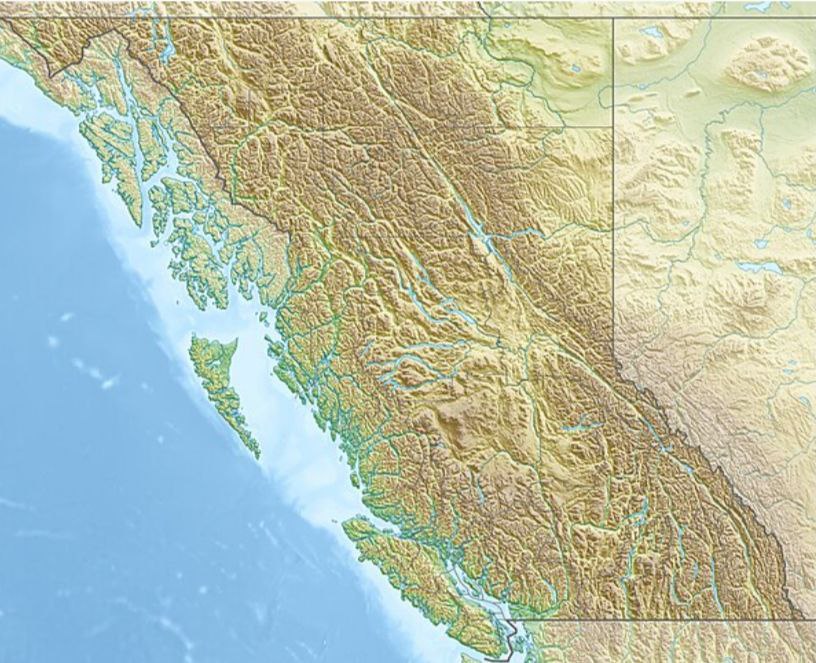
Duncan River is a river located in the southeast of the Canadian province of British Columbia. It is one of the largest tributaries of the Kootenay, which in turn is also a tributary of the Columbia. The length of the river is 206 km, the basin area is 2443 km².
The Duncan River originates near Dawson Mountain and flows south through the Selkirk and Purcell Ranges. The river flows through Lake Duncan, the only lake whose level was raised by the construction of the Duncan Dam. Below the dam, the river flows into its main tributary, the Lardo River. It flows into the northern part of Kootenay Lake. The Duncan River was named after John Duncan, who was one of the candidates for the Colonial Legislative Council of Kootenay Land County in 1866. On some earlier maps, Lake Duncan was written as "Upper Kootenay" or "Hauser", but starting in 1912, the name "Duncan" became dominant.
Before the lake was dammed, Duncan developed a shipping industry that was primarily used to serve the valley's mining and lumbering industries. Duncan Dam was built in 1967 as part of the Columbia River Treaty. Before the construction of the dam, the length of the lake was 25 km. Now the length of the reservoir is 45 km. Duncan Dam does not generate electricity because it was built to regulate water levels and provide flood control.
1098

Sign in to your personal account
Referral login
Register